Transportation Electrification
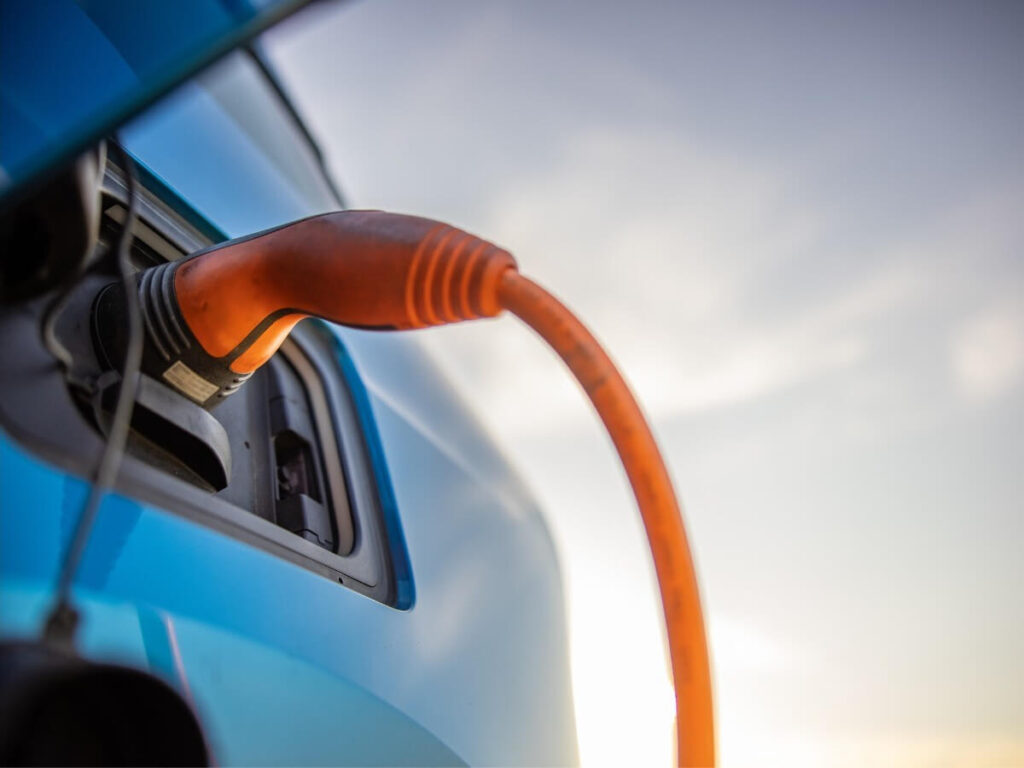
The transportation sector is motivated to decarbonize, and one of the leading solutions is the electrification of transportation systems. This advancement in electric vehicles and power is crucial for achieving a zero-carbon economy. Legislation has been instrumental in accelerating the industry’s growth in recent years, providing incentives for US production of components essential to electrification, such as semiconductors and microelectronics.
It is important to acknowledge that while transportation electrification offers positive environmental impacts, harmful air emissions often occur during the manufacturing processes. This prompts a continued need for long-lasting, effective air pollution control (APC) that addresses the critical challenges of sustainable manufacturing and supply chain optimization.
Electric Vehicles Require Air Pollution Control Solutions Throughout Production
While electric vehicles are often labeled as ‘zero-emission vehicles’ (ZEVs) once in use, their complex industrial manufacturing processes create a significant carbon footprint that must be addressed. The production of batteries and the sourcing of raw materials are the primary concerns for emissions; however, other necessary operations, such as the coating and drying lines, are generally solvent-heavy processes that require the treatment of hazardous airborne pollutants.
Mining
The sourcing and extraction methods required to collect the raw materials for the vehicle batteries are a primary source of air emissions. Batteries use a variety of metals, such as cobalt, nickel, copper, and lithium, as critical components. The metals used in EV batteries are also present in motors, transformers, and cabling, which are necessary to transition to a sustainable electricity infrastructure. The high demand for lithium and other metals continues to stem from the automotive industry, and the consequent shortages of these limited resources indicate that recovery and recycling operations are becoming increasingly vital to drive the electrification industry forward.
Battery Production & Testing
During the manufacture of battery cells, cathode and anode materials are mixed with solvents or other binders and collected through a series of pressing and drying processes. As drying occurs, the solvents and binders evaporate into the atmosphere, reacting with sunlight and causing ozone pollution if not treated with the proper air control equipment. Cadmium, chromium, cobalt, copper, cyanide, iron, lead, manganese, mercury, nickel, oil & grease, silver, and zinc are pollutants commonly used in cell formation that are federally and locally regulated.
Product testing is also a major pathway in the safe implementation of battery-powered technologies. To meet safety compliance, lithium batteries require fire testing to capture relevant data on the health and environmental risks associated with physical damage, electrical faults, and exposure to extreme environmental conditions. Once ignited, batteries may continue to burn for an extended period, releasing toxic fumes. Due to the combustible conditions in which batteries are placed during fire testing, specialized air technologies are required to treat the pollutant-heavy exhaust.
Effective Abatement Technologies
Rapid innovation is occurring with battery production (different approaches, technology, and materials), which means there is not a well-vetted approach for APC; customization and tailoring to the specific process are required to ensure effective abatement is met.
The uniqueness of transportation electrification applications means any combination of air pollution control equipment could be the appropriate solution for your industrial process. Pollution Systems specializes in solutions designed for your business and operational needs.
Your APC Partner in Electrification
Our proven, agnostic expertise in air pollution control technology helps you navigate the complexities of your unique processes. We design custom solutions that integrate seamlessly, ensuring compliance and maximizing uptime.